Safety CultureWorker Voice
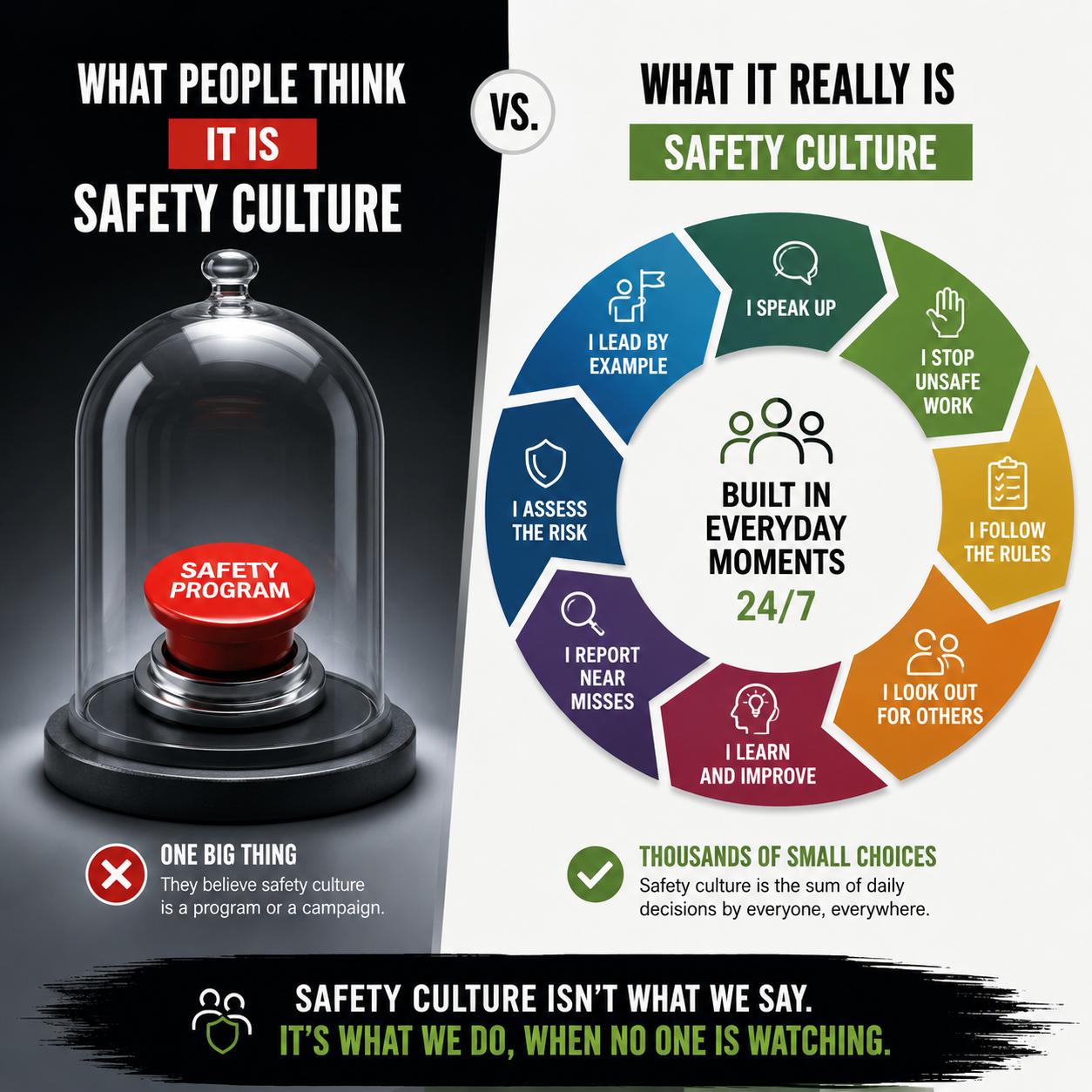
Safety Culture Is Built in Everyday Work
Daily choices reveal the culture, but leadership, resources and work design shape which choices people can make.
Read article →Evidence, interpreted for practice
Original long-form articles on critical risk, leadership, human factors, governance and emerging technology. Every article includes named sources, a review date and practical questions for the field.
The editorial standard
These articles interpret established guidance and research. They do not replace applicable law, engineering judgment or competent professional advice.
Daily choices reveal the culture, but leadership, resources and work design shape which choices people can make.
Read article →
An original model connecting system degradation, successful adaptation, risk normalization and critical-control failure.
Read article →
Documentation is necessary. It is not proof that the controls protecting people from serious harm are present, understood or effective.
Read article →
The gap between work as imagined and work as performed is operational evidence. Treating every adaptation as misconduct wastes it.
Read article →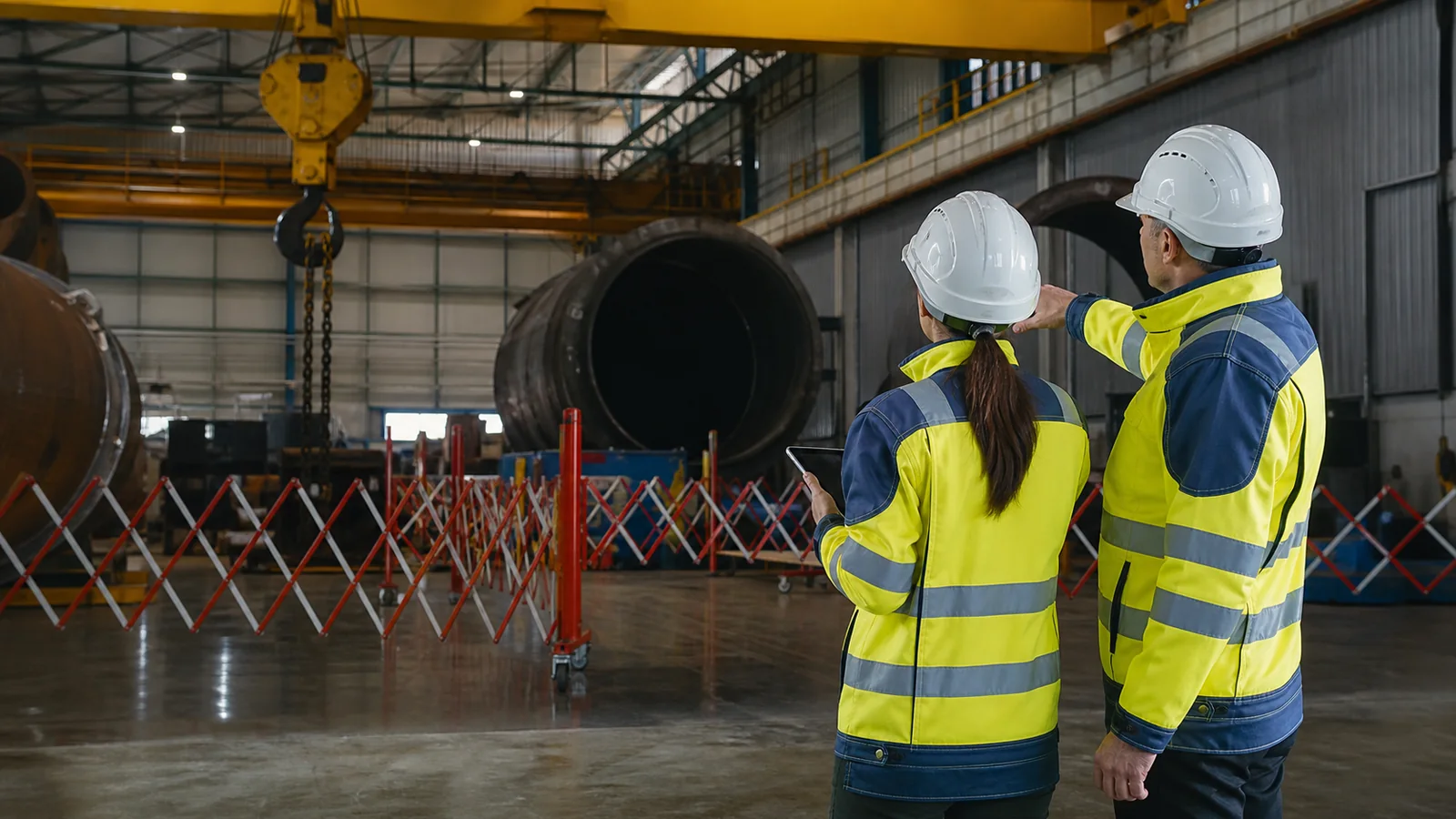
Low-severity injury performance matters, but it is not a reliable proxy for exposure to high-energy hazards and failed critical controls.
Read article →
An action tracker can be busy while the barriers that prevent fatal events remain unavailable, misunderstood or untested.
Read article →
A useful safety dashboard connects material risk, control health, workforce experience and outcomes without pretending that one number can predict the future.
Read article →
The client cannot outsource accountability for the conditions it creates, the interfaces it controls or the standards it chooses to enforce.
Read article →
Telling people they may stop unsafe work is easy. Building a system that protects the person, resolves the condition and controls restart is harder.
Read article →
A survey can identify patterns in perception. It cannot prove that critical controls work, explain every cause or replace direct engagement with the workforce.
Read article →
AI can help organize evidence and detect patterns, but responsibility, data quality, worker rights and control decisions must remain explicit.
Read article →
A credible investigation examines system conditions and individual choices, then makes fair distinctions instead of choosing between blame and no accountability.
Read article →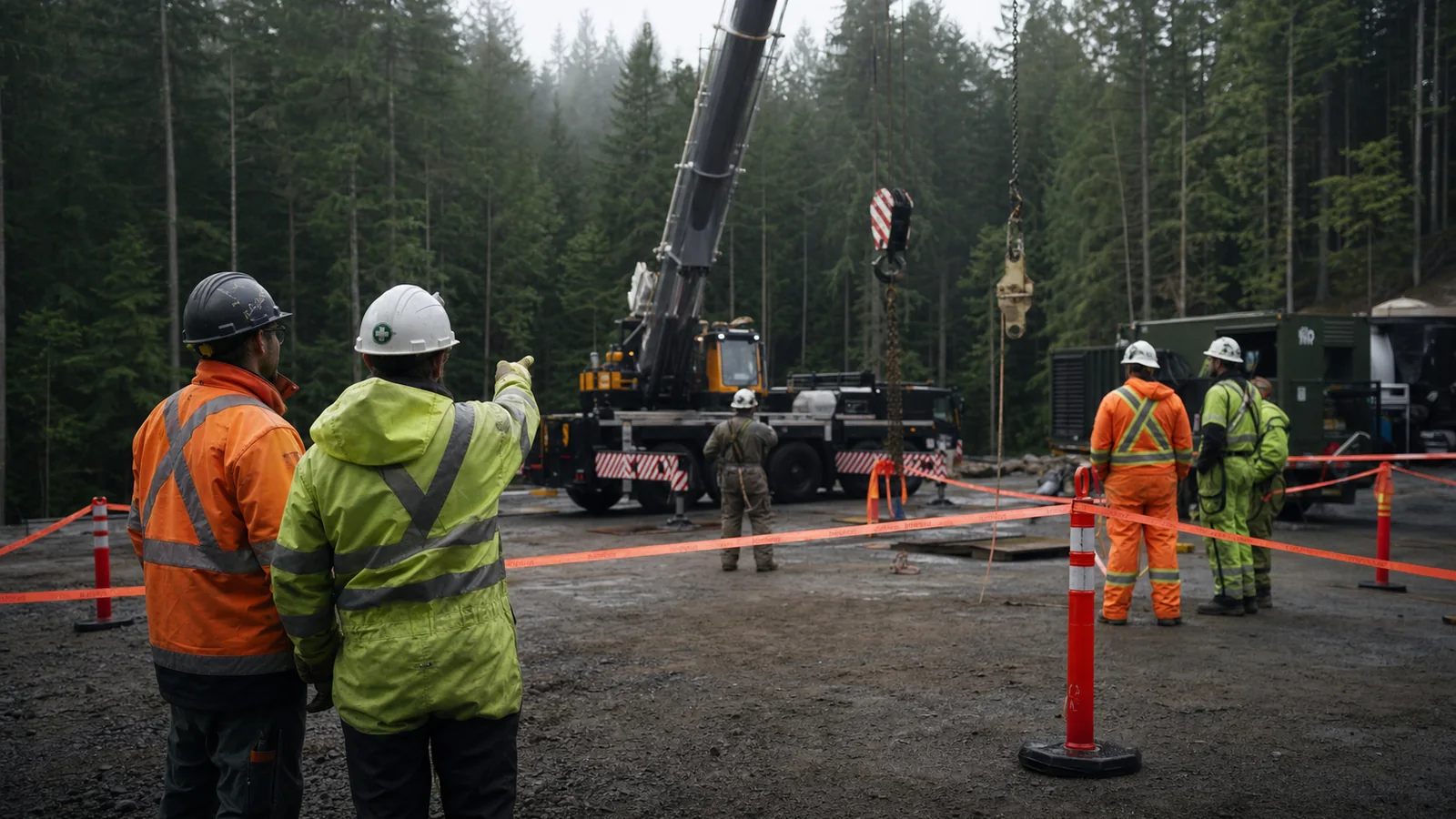
Clear rules for fatal risks are useful only when the organization provides the equipment, planning, supervision and authority needed to comply.
Read article →
Senior leaders need a direct line of sight to material risk, weak controls and workforce experience, not another summary of activity counts.
Read article →Current developments
Regulatory and industry updates use a distinct editorial workflow so publication dates, jurisdictions and source status remain clear.
Read the editorial policy