Why Reducing Minor Injuries May Not Prevent the Next Fatality
Low-severity injury performance matters, but it is not a reliable proxy for exposure to high-energy hazards and failed critical controls.
One number cannot describe two risk problems
Organizations often assume that reducing minor injuries will proportionally reduce serious injuries and fatalities. The injury-triangle tradition encouraged attention to a large base of lower-consequence events, and that attention helped many workplaces improve everyday conditions. The error is treating the relationship as universal. A hand cut and an uncontrolled suspended load may both enter an incident system, but their pathways, energies and controls are different. Excellent control of minor events can coexist with unmanaged fatal exposure.
SIF potential changes the question
Serious injury and fatality prevention asks whether an event or exposure had credible potential for fatal or life-altering harm, not only what consequence happened this time. A dropped object that lands in an empty area, an unexpected energization with nobody touching the circuit, or a vehicle separation breach without contact can be high-value learning events. Their actual outcome is fortunate. Their potential reveals that a high-energy pathway and one or more protective barriers were present or degraded.
Precursors and high energy
SIF precursors are conditions or events that raise the likelihood of a severe outcome. Examples include people entering a line of fire, uncontrolled energy, loss of containment, work at height without effective fall protection, and mobile equipment interactions. Energy is useful because it focuses attention on mechanisms capable of causing serious harm. It is not a substitute for judgment: toxic exposure, oxygen deficiency and occupational disease may not fit a simple kinetic-energy screen but still demand critical-risk treatment.
Critical controls make the model practical
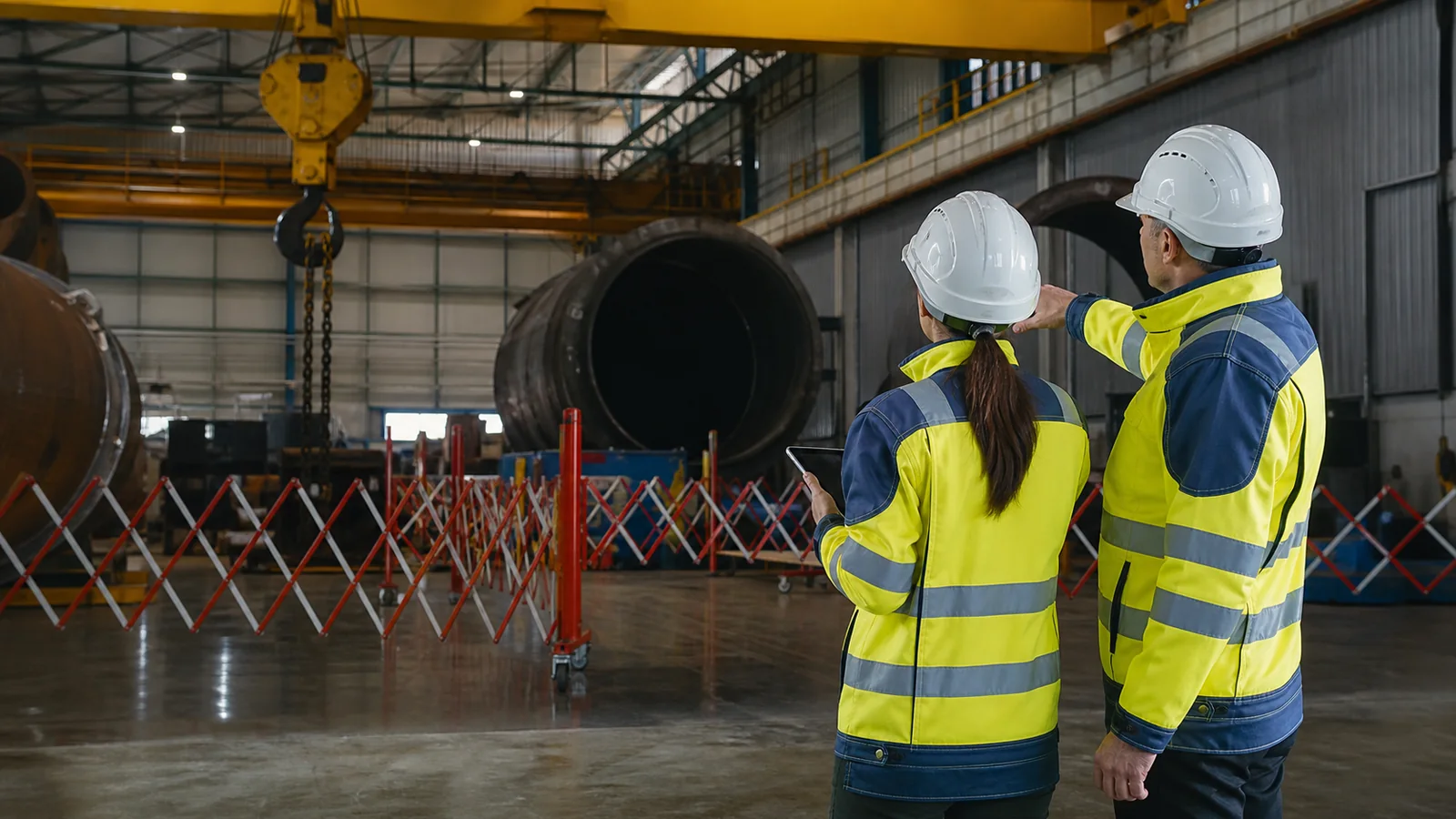
A critical control is a control whose absence or failure would materially increase the risk of a fatal or serious outcome. For lifting, it may include verified equipment capacity, competent planning and an effective exclusion zone. For electrical work, it may include isolation, lockout and proof of dead. The organization should define performance requirements, ownership and verification for these controls. Counting every control equally dilutes attention. SIF prevention depends on knowing which few barriers must work.
Keep lagging indicators in their place
TRIR, recordable cases and lost-time injuries still reveal harm, reporting quality and recurring lower-level problems. They can support benchmarking when definitions are consistent. They cannot show how many high-energy exposures occurred, whether critical controls were degraded, or where the next fatal event is most credible. A balanced view pairs outcome data with measures of SIF potential, precursor frequency, critical-control health and the time taken to restore degraded barriers.
What leaders should do differently
Classify events by credible potential as well as actual consequence. Build a material-risk inventory and name the critical controls for each risk. Review high-potential near misses with the rigor given to serious outcomes. Ask where high-energy work is happening today and which controls are unavailable, bypassed or dependent on temporary arrangements. Do not weaken prevention of everyday injuries. Add a distinct fatal-risk lens so improvements at the base of a triangle never create false confidence at the top.
Review one high-energy activity
Select one high-energy activity and define the credible serious outcomes. Identify the controls that prevent contact with the energy or reduce its consequence. Review recent near misses, assurance findings and maintenance issues for signs that those controls are weakening. Assign action according to potential severity, not the injury that happened this time.
Questions about credible serious harm
Where can high energy reach a person? Which control prevents that contact? How often is the control bypassed, degraded or unavailable? Which low-consequence events had credible SIF potential? What operational decision follows when the control cannot meet its standard?
Give high-energy exposure its own view
SIF prevention requires a separate view of high-energy exposure and critical controls. Total injury rates cannot provide that view alone.
Sources & Further Reading
Author/editor: Myaser HSE Hub Editorial
Last reviewed: August 4, 2026
Disclaimer: This article provides general HSE education. Apply applicable law, standards, engineering judgment and competent professional advice to your specific operation.